
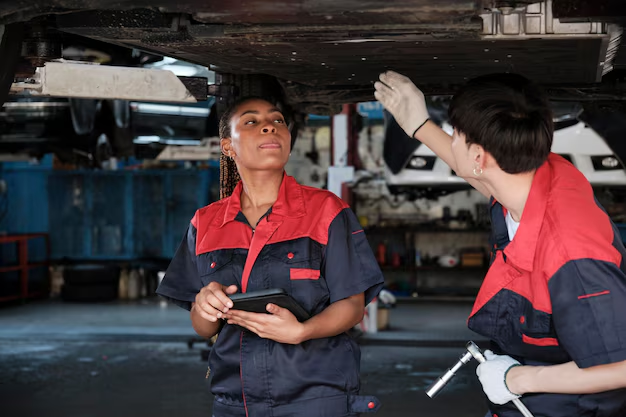
Preventing Costly Repairs: The Role of Regular Car Inspections
Owning a car is not just about enjoying the freedom of the open road; it’s also about ensuring that your vehicle remains in peak condition. Regular car inspections play a vital role in achieving this, helping you avoid expensive repairs and extending the life of your vehicle. In this guide, we’ll explore why car inspections are essential and provide practical tips for maintaining your car’s health. Whether you’re a seasoned driver or a new car owner, understanding the importance of regular check-ups can save you time, money, and stress.
Why Regular Car Inspections Matter
Car inspections are a critical component of vehicle maintenance. They are designed to identify potential issues before they escalate into costly repairs. By regularly inspecting your vehicle, you can ensure that it runs efficiently and safely.
Detecting potential problems early can be likened to going for regular health check-ups. Just as a doctor might catch a small health issue before it becomes serious, a technician can spot minor vehicle issues before they compromise your car’s performance or safety. An example of this is a hairline crack in a serpentine belt. Caught early, it’s a simple fix, but if left unnoticed, it could snap, causing your car to break down.
Identifying Potential Issues Early
Regular inspections help spot minor issues before they become major problems. For instance, a small leak in your brake line might not seem significant at first, but if left unchecked, it can lead to brake failure. Inspections can catch such issues early, ensuring your safety and saving you money in the long run.
To avoid such issues, ensure routine checks of brake components, paying attention to any unusual sounds or sensations while braking. Using high-quality brake fluid and replacing it as recommended can prevent moisture build-up, which is a common cause of brake line corrosion.
Enhancing Vehicle Safety
Safety is paramount when it comes to driving. Regular inspections ensure that crucial systems, like brakes and steering, are functioning correctly. This not only keeps you safe but also protects other road users.
Imagine driving with your family on a rainy night and suddenly realizing your wipers or headlights are not functioning optimally. Regular checks can prevent such dangerous situations. The cost of replacing wiper blades or a headlight bulb might be insignificant compared to the risk of an accident due to poor visibility.
A deeper understanding of vehicle safety involves recognizing that components like the suspension system or even the condition of your tires can significantly affect your car’s handling ability in emergency situations. Regular inspections focus on these components to maintain a high safety standard.
Maintaining Vehicle Value
A well-maintained vehicle retains its value better than one that is neglected. Regular inspections and maintenance records show potential buyers that the car has been cared for, which can be advantageous if you decide to sell.
Consider a scenario where you wish to trade in or sell your car. A well-documented history of inspections and repairs can increase its resale value by hundreds, if not thousands, of dollars. Buyers are often willing to pay more for a car with a clean bill of health.
To preserve your car’s value, keep detailed records of all inspections and repairs. Not only will this help in future sales negotiations, but it can also assist in maintaining a regular maintenance schedule.
Key Components of a Car Inspection
A comprehensive car inspection covers several key areas of your vehicle. Understanding what these involve can help you appreciate their importance.
Engine and Transmission
The engine is the heart of your car, and the transmission is its backbone. Regular inspections can identify issues such as oil leaks, worn belts, and transmission fluid levels that could affect performance.
To maintain your engine and transmission, routinely check oil levels and quality, and replace transmission fluid as recommended. This preventative maintenance can help you avoid more serious issues down the line.
Brake System
Your car’s brakes are critical for safety. Inspections ensure that pads, rotors, and brake fluid levels are in good condition, preventing brake failure and costly repairs.
Tires and Alignment
Tires affect your car’s handling and fuel efficiency. Inspections check for tread wear and proper alignment, reducing the risk of blowouts and improving overall driving comfort.
To prevent uneven tire wear, rotate your tires every 6,000 to 8,000 miles and regularly check tire pressure. Maintaining correct tire pressure not only extends tire life but also improves gas mileage.
Seasonal Maintenance Tips
Car inspections should be part of your routine regardless of the season, but certain times of the year demand extra attention.
Preparing for Winter
Cold weather can be tough on vehicles. Before winter hits, ensure that your battery, tires, and antifreeze levels are ready for the chill. Inspections can preemptively address issues like weak batteries and inadequate tire tread.
Think about a dead battery on a freezing morning. A pre-winter inspection might cost around $50 but can save you from being stranded or needing a tow, which can be much more expensive.
To prepare for winter, check the battery’s charge and replace old antifreeze with a fresh, winter-grade mixture. This can prevent freezing and overheating issues.
Spring Cleaning for Your Car
Spring is an excellent time for a thorough inspection. Winter road salt can corrode parts of your car, so checking the undercarriage and bodywork is essential. Also, ensure that your air conditioning system is ready for the warmer months.
Imagine the discomfort of a failed air conditioning system during a summer heatwave. A spring inspection can identify issues early, allowing for timely repairs that can cost around $100 to $300, depending on the severity.
To prevent corrosion, wash your car thoroughly after winter, paying special attention to the undercarriage. Regular waxing can also protect the paint from salt and other corrosive elements.
Practical Examples of Common Issues
Understanding common car problems and their warning signs can help you act quickly when something seems amiss.
Noisy Brakes
If you hear squealing or grinding when braking, it could indicate worn pads or rotors. An inspection can pinpoint the issue and prevent further damage.
Engine Warning Light
This light can indicate various issues, from a loose gas cap to more serious engine problems. Regular inspections can diagnose and rectify these issues before they become severe.
Uneven Tire Wear
This is often a sign of misalignment or suspension problems. Regular tire inspections can ensure even wear, improving safety and fuel efficiency.
The Local Touch: Inspections in Hollywood, FL
Living in Hollywood, FL, brings unique challenges and opportunities for car maintenance. The climate and road conditions can affect your vehicle differently compared to other regions.
Impact of Climate
The heat and humidity in Hollywood can affect your car’s battery and tire life. Regular inspections can help mitigate these effects, ensuring your car runs smoothly year-round.
Supporting Local Businesses
When it comes to inspections, choosing a local expert like Uncle D’s Transmissions & Auto Repair ensures that your car is in good hands. Their knowledge of local conditions and vehicle needs can provide tailored advice and services.
Local businesses not only understand the unique challenges of the area but also contribute to the community’s economy. By choosing them, you are helping to sustain local entrepreneurship.
Scheduling Regular Check-Ups
Setting a regular inspection schedule is key to maintaining your car’s health. But how often should you do it?
Manufacturer Recommendations
Follow your car manufacturer’s maintenance schedule, which typically includes timelines for inspections. This is usually based on mileage or time intervals.
Adhering to this schedule can prevent warranty voidance and ensure your car remains in optimal condition. Regular inspections might seem like an upfront cost, but they are a small price to pay for long-term reliability.
Personal Driving Habits
Your driving habits and conditions also play a role. If you frequently drive long distances or in harsh conditions, more frequent inspections may be necessary.
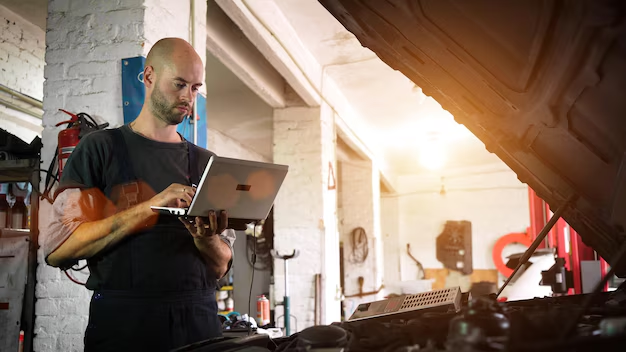
For instance, off-road driving or frequent towing can accelerate wear and tear, necessitating more regular check-ups. Tailoring your inspection schedule to your driving habits can save you from unexpected breakdowns and repairs.
Staying on top of car inspections is a proactive way to keep your vehicle safe and efficient. By understanding the importance of regular check-ups, you prevent costly repairs and extend your car’s lifespan. Don’t wait for a problem to arise—schedule your next inspection with Uncle D’s Transmissions & Auto Repair in Hollywood, FL. Their expert team is ready to help you keep your car in top condition. Contact them today and ensure your vehicle is always ready for the road.
